Side light is the best light for black and white photography. I'll say it plainly because too many lighting articles dance around the subject with diplomatic even-handedness. Yes, front light and back light have their uses. But if you forced me to shoot with one light direction for the rest of my life, I'd pick side light at 60 to 90 degrees without hesitating. It's the light that makes monochrome work.
Here's why. Strip away colour and light reveals four fundamental properties: direction, quality, intensity, and the shadows it creates. These determine the tonal structure, the three-dimensional modelling, and the emotional character of every B&W photograph you make. Colour photographers can lean on warmth and coolness for mood, on hue contrast for separation. We can't. We have light and shadow. That's it.
I spent most of my twenties shooting architecture along the Seine in Paris, and it took me an embarrassingly long time to understand this. I'd head out at golden hour because that's what the photography magazines said to do, and I'd come home with flat, lifeless images of buildings that looked dimensional to my eye but collapsed into grey mush on screen. The colour photographers standing next to me got gorgeous warm-toned results. My B&W conversions looked like photocopies. The problem was obvious once I saw it: I was chasing colour light, not structural light. The low sun was warming the facades but hitting them nearly head-on, flattening the relief that would have given them depth in monochrome.
Hard and Soft: The First Decision
The quality of light depends on the apparent size of the source relative to the subject. A bare bulb, a clear-sky sun: small sources, hard light, sharply defined shadows. An overcast sky, a large window with sheers: big sources, soft light, gentle transitions. In colour work, both are fine. In B&W, the distinction matters more because shadows aren't just absence of light. They're compositional elements with the same visual weight as highlights.
Hard light creates bold graphic shadows that can anchor a composition and define form. Think of a fire escape casting its geometric pattern across a brick wall at two in the afternoon. In colour, that shadow pattern competes with the warm red of the brick. In B&W, it becomes the whole image: black geometry on grey texture. The shadow IS the composition. I have a print from Montmartre where the shadow of a wrought-iron balcony railing cuts diagonally across a pale stucco wall. I shot it at 1pm on a July day when the sun was harsh and most people were indoors. That hard, overhead, "ugly" light made the image.
Soft light reveals texture and subtle tonal gradations, letting the eye travel smoothly across the image. It wraps around forms rather than cutting across them. Skin texture, fabric weave, stone grain, the bark of a tree: all of these read best under soft, even illumination because the gentle transitions let you see surface detail without deep shadows obscuring half the subject. Soft light is harder to work with in B&W because it produces lower contrast, and low contrast can mean flat images if you don't compensate in post-processing or with your choice of paper grade. But when it works, it produces a richness that hard light can't match.
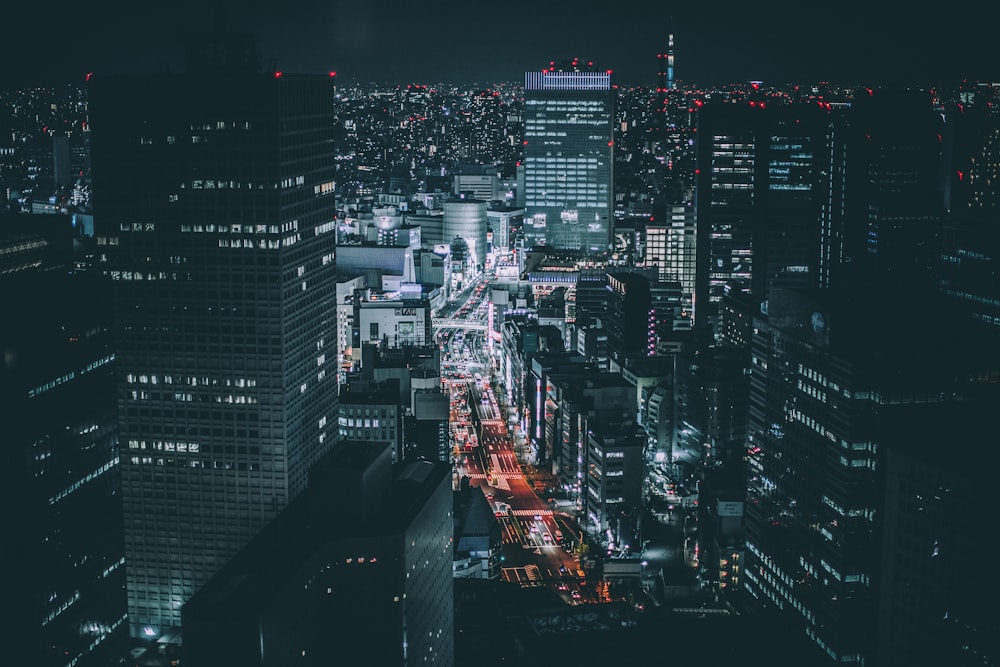
The choice between hard and soft is the first and most important lighting decision you'll make, because it determines the fundamental character of the image before you consider anything else. I know photographers who agonize over lens choice and film stock but never think about light quality. They'll spend two thousand euros on a Summicron and then shoot everything under flat overcast or direct flash. Get the light right first. The rest follows.
Direction: Where Light Falls, Shadows Follow
Front light flattens. It minimises shadows and kills the illusion of depth. In colour, frontal light can work because chromatic differences still provide separation between planes. In B&W, it usually produces flat, two-dimensional images. Useful sometimes for graphic or poster-like compositions, but rarely the best choice for creating volume on a flat print. Passport photos are lit from the front. That should tell you everything about the emotional quality of frontal lighting.
Side light at 45 degrees gives you classic Rembrandt modelling in portraiture: shadow and highlight areas roughly equal, balanced and naturalistic. Push to 90 degrees and you get split lighting, half the subject in light, half in shadow, with dramatic emotional weight. Edward Weston's still lifes, Arnold Newman's environmental portraits: side light was their workhorse for good reason. It describes form with maximum clarity. I once watched a sculptor friend work in her studio and noticed she'd positioned her work lamp at exactly 90 degrees to the piece she was carving. When I asked about it she looked at me as if I'd asked why she used a chisel. "That's where you see the form," she said. Same principle.
Back light creates silhouettes, rim lighting, and translucent effects where light passes through thin materials. A figure outlined by a halo against darkness, a tree rendered as a stark graphic shape against bright sky. Backlighting demands careful exposure control. Meter the subject, place it on the zone you want, and let the background fall where it may. I use backlighting most often for trees in fog, where the light coming through the mist behind the trunk creates a luminous glow that separates the dark form from the bright background. The trick is underexposing by about one and a half stops from the meter reading to preserve that luminosity and let the foreground go properly dark.
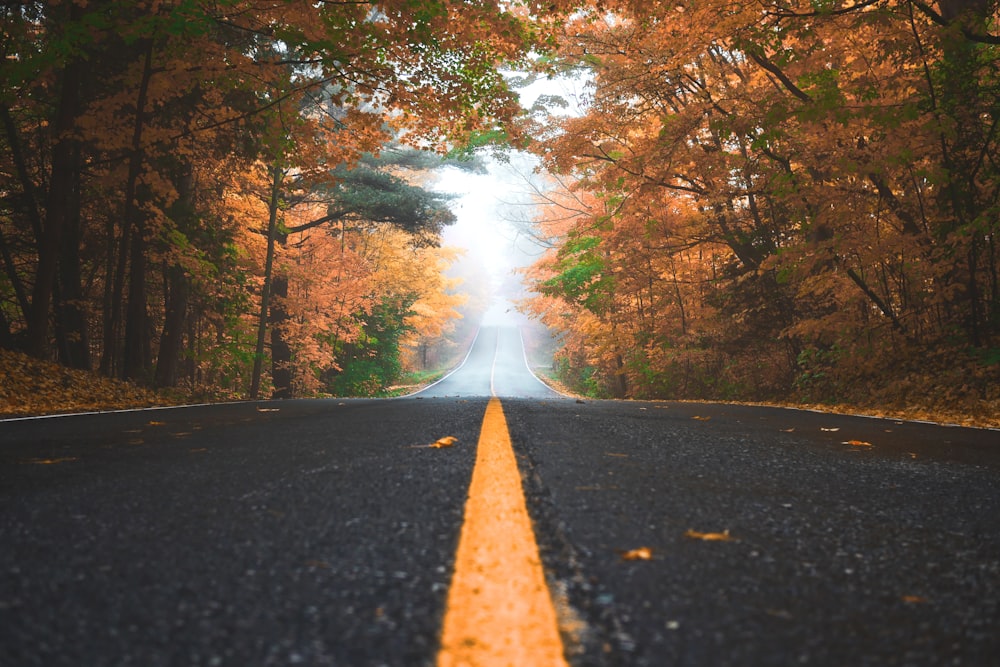
Top light deserves its own mention. Overhead sun, the light most colour photographers avoid, creates deep eye sockets and harsh nose shadows in portraiture. Useless for flattering headshots. But for B&W architectural work, top light produces strong vertical shadows that emphasize the relief of facades, columns, and decorative stonework. The Acropolis at noon photographs better in B&W than at golden hour. The deep black shadows under the entablature give the columns their cylindrical form. I spent three days at the Parthenon in 2019, shooting at different times. The midday images were the keepers.
Window Light: The Finest Studio You'll Ever Find
A north-facing window is the best portrait light I've ever used, and I've tried everything from Profoto D2 strobes to ring lights to bare-bulb speedlites bounced off hotel ceilings. The window acts as a large diffused source that wraps around the subject with soft, directional quality. Light falls off with distance, creating a natural gradient from bright to shadow. Vermeer painted by window light. Irving Penn photographed his greatest portraits by window light. The reason is the same: a window provides a beautiful balance of softness and directionality that artificial sources struggle to match.
The best portrait I made in 2024 was lit by a single north-facing window in a rented apartment in the Batignolles quarter of Paris. The window was tall and narrow, about 60cm wide, with old rippled glass that softened the light further. I positioned my subject at roughly 80 degrees to the window, about a metre away, with a white bedsheet pinned to the opposite wall as fill. The light ratio was close to 5:1. The shadow side of the face held just enough detail to read the jawline, while the lit side had a luminous, sculptural quality that no softbox I've ever used could replicate. Window light has a falloff gradient that strobes can't match, and for B&W portrait work, I now prefer it over any flash setup.
A few practical details about window light that took me years to figure out. Distance from the window matters more than the window's size. At 30cm from a 1-metre window, you get extremely soft wrap-around light with a gentle falloff. At 3 metres, the same window acts almost like a point source and the light becomes harder with more defined shadows. I keep my subjects within about 1 metre of the glass for portrait work. Beyond that, you lose the beautiful wrap that makes window light special.
Curtains and sheers are free modifiers. A white net curtain turns any window into a diffused panel, softening the light further. A heavy curtain pulled partway across narrows the source into a strip light. I carry a couple of metres of white cotton muslin when I'm shooting on location because I never know what the windows will be like. In a pinch, a white bedsheet works. Tape it to the window frame and you've got a 2x1 metre softbox for free.
The time of day changes window light dramatically. A north-facing window gives consistent, cool, indirect light all day. An east-facing window gets direct morning sun that can be beautiful but intense and rapidly changing. I shot a series of still lifes in my kitchen last winter using the east window between 8am and 9am, when the low sun came through at a steep angle. The light moved visibly during the session. I had about twenty minutes of usable light before the angle changed too much. South and west windows get direct sun later in the day and can be very warm. For B&W, the colour temperature doesn't matter in the final image, but the intensity and direction do.
Studio Light vs. Natural Light: The Honest Comparison
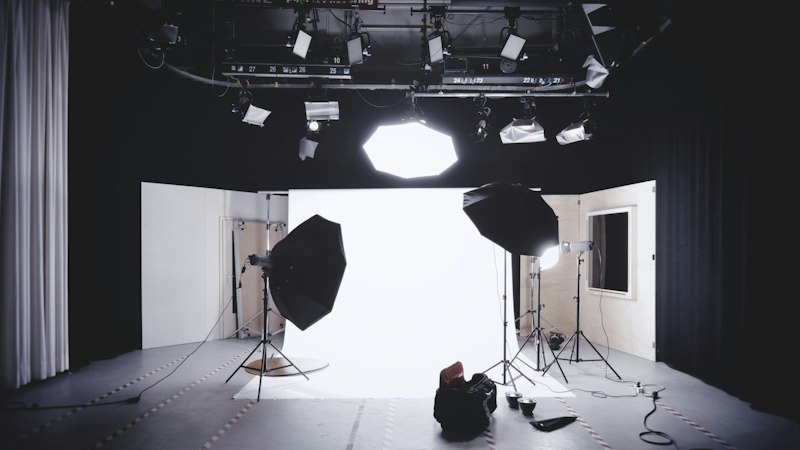
I own a Profoto B10 Plus and two Godox AD200 Pro units with various modifiers. They sit in a case most of the time. For B&W portrait work, I reach for them only when I need repeatable results across a long session, or when I'm shooting in a location with no usable natural light. Studio strobes give you control. You can set the ratio exactly where you want it, add or subtract fill with a reflector or a second head, dial in the power to the tenth of a stop. For commercial work where consistency matters, they're essential.
But the light from a strobe through a softbox has a different character from the light through a window. Softboxes produce even illumination across their surface. Windows don't. A window's brightness varies from top to bottom and across its width because of the angle to the sky, nearby buildings, trees, and whatever else is outside. That unevenness creates a more complex, more naturalistic falloff pattern on the subject. It's harder to control but more interesting to look at.
I did a test in 2022 that settled the question for me. I photographed the same subject with a 100cm Profoto Umbrella Deep White at camera left, then moved her to a north-facing window of approximately the same size. Same distance, same angle. The strobe image was cleaner, more controlled, perfectly repeatable. The window image had a quality I can only describe as "alive." The falloff was less predictable, the shadow transitions more varied, and the overall feeling was warmer in a tonal sense. I printed both at 30x40cm on Hahnemuhle Photo Rag Baryta. The window image was the one I framed.
Quick Setup: Window Portrait in Five Minutes. Find a north-facing or shaded window at least 80cm wide. Position the subject 60-100cm from the glass, angled 45-80 degrees to the window. Place a white reflector (foam board, bedsheet, anything white) on the shadow side, 1-2 metres from the subject. Meter the lit side of the face. Shoot at that reading. The reflector fills the shadows just enough to preserve detail without killing the directional quality. Adjust fill distance for more or less contrast.
Landscape Light: Forget the Golden Hour Obsession
Colour landscape photographers worship golden hour for its warm hues and saturated sky. Fair enough. But for B&W landscape work, golden hour is just one option, and often not the best one.
Overcast light is vastly underrated. Diffuse illumination reveals texture and subtle tonal gradation that hard sunlight obliterates. Misty mornings, foggy coastlines, snow under heavy cloud: they all sing in monochrome under overcast skies, producing images with an atmospheric quality hard light can't touch. I drove to the Morvan hills in Burgundy last November specifically because the forecast promised three days of fog. Most of the colour landscape photographers I know would have stayed home. I came back with the strongest set of woodland images I've shot in years. The fog reduced everything to tones and shapes. No colour information to lean on. Just light, form, and atmosphere.
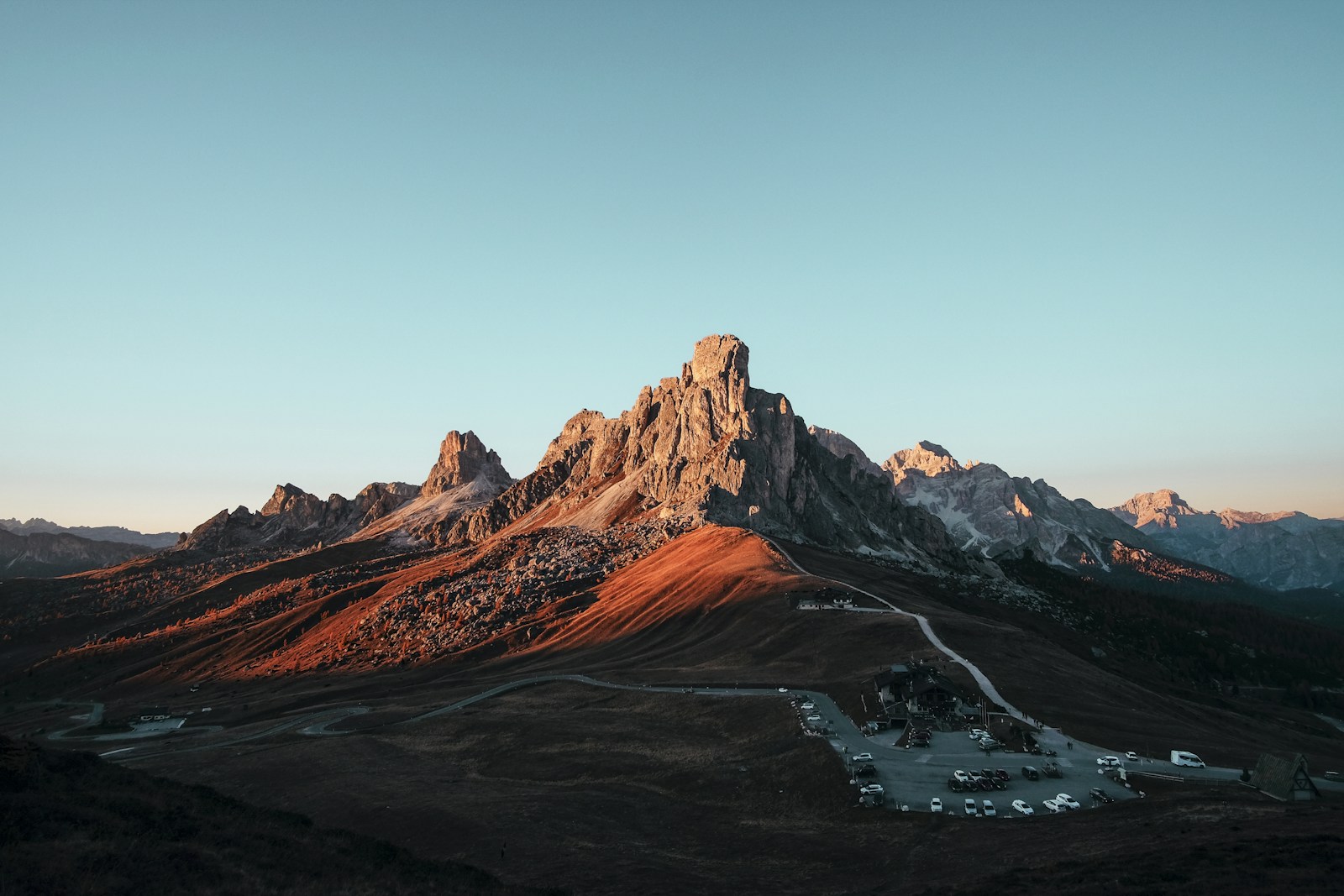
Storm light, when shafts of sun break through clouds to illuminate a single hillside against a dark sky, produces some of the most powerful B&W landscapes imaginable. The contrast between the lit ground and the dark cloud mass can exceed ten stops, which means you need to make a deliberate exposure decision. I meter the illuminated area and let the sky go dark. In the print, that single bright patch of ground against the brooding sky creates a theatrical tension that golden hour's even wash of warm light never delivers.
Midday sun, despised by colour photographers, has genuine uses. Some of my strongest architectural photographs were made at noon in Marseille in the summer of 2021. The overhead light turned Le Corbusier's Cite Radieuse into a grid of pure black shadow and blinding white concrete. No colour photographer would have bothered. In B&W, that brutal light was exactly what the subject demanded.
Blue hour and pre-dawn are underexplored territory for B&W. In the thirty minutes before sunrise, the sky provides a cool, even, shadowless light that's ideal for architectural subjects. I shot a series of brutalist housing towers in the La Défense district at 5:30am on a summer morning. The light was flat enough to reveal every texture in the poured concrete, and the sky behind was a smooth, featureless grey that emphasized the graphic outlines of the buildings. In colour, the images would have looked bleak. In B&W, they had a calm formality that suited the architecture perfectly.
Contrast Ratio: Measure It
The contrast ratio is the difference in illumination between the brightest and darkest areas of the subject, measured in stops. A 2:1 ratio (one stop) produces flat lighting. A 4:1 ratio (two stops) is standard for portraiture. An 8:1 ratio (three stops) is dramatic. For B&W, this number directly determines how many zones the subject occupies and therefore the character of the image.
I measure contrast ratio obsessively when I'm shooting portraits. A Sekonic L-308X spot meter costs about 200 euros and it's the single most useful tool I own after the camera itself. You point it at the lit side of the face, note the reading, point it at the shadow side, note the reading, and the difference in stops tells you your ratio. Two stops is 4:1: clean, flattering, safe. Three stops is 8:1: moody, dramatic, editorial. Above four stops (16:1), you're in chiaroscuro territory where the shadow side of the face is basically black.
The ratio you choose depends on the subject and the mood. For a calm, contemplative portrait, I stay around 3:1. For something more intense, I push to 6:1 or 8:1. Last year I photographed a blacksmith in his workshop in Kutna Hora. He was standing next to the forge, lit from one side by a small window and from below by the glowing coals. The ratio on his face was probably 12:1. I didn't try to fill it. The deep shadows were part of the story.
Measuring Contrast Ratio: Meter the lit side and the shadow side separately with a spot meter. The difference in stops is your ratio. 1 stop = 2:1. 2 stops = 4:1. 3 stops = 8:1. For B&W portraiture, 3:1 to 5:1 provides beautiful modelling. For dramatic low-key work, 8:1 or higher creates the deep shadows that define the mood. If you don't own a spot meter, use your camera's spot metering mode aimed at each side of the face. The exposure values in the viewfinder give you the same information.
Shaping Light: Reflectors, Flags, and the Anti-Flash Manifesto
A white reflector bounces light back into shadow areas, reducing the contrast ratio without adding a second source. A flag (a black card between the light and part of the subject) does the opposite: it deepens shadows, creates vignette effects, or isolates a bright area against a dark background. Flags are the most underused tool in B&W photography. I carry a piece of black foam board (50x70cm, costs about three euros) in my bag whenever I'm shooting portraits, and I use it more than any other modifier I own.
The combination of a single directional source, a white reflector for fill, and a black flag to control spill is the simplest and most effective lighting setup for monochrome portraiture. I call it the "one-one-one" setup because it's one light, one fill, one flag. With window light as the source, this gives you full control over the contrast ratio and the shadow character without any electrical equipment. I've used this setup in hotel rooms in Lyon, apartments in Berlin, and a borrowed office in Brno. It works every time.
The reflector distance controls the fill level. Close (about 60cm from the subject) gives you a 2:1 or 3:1 ratio, keeping shadows open with visible detail. Far (2 metres or more) gives you 6:1 or higher, letting the shadows go deep. Moving the reflector is faster and more intuitive than adjusting a fill light's power. You can see the effect in real time as the board moves closer or further away.

On-camera flash has no place in serious B&W work. The flat, frontal light eliminates the shadow modelling that gives monochrome images their depth. If you must use flash, bounce it off a wall or ceiling to create a larger, more directional source. Better yet, leave it in the bag and find a window.
Seeing Light Before You Shoot
The hardest part of lighting for B&W is training yourself to see light as tonal structure rather than colour. Colour photographers evaluate light by warmth, saturation, and hue. We evaluate it by direction, contrast, and the shape of the shadows it creates. These are different skills, and they require different habits.
One exercise I give to students: spend a week photographing only shadows. Not subjects lit by interesting light. The shadows themselves. A shadow of a bicycle on pavement. The shadow of a tree across a white wall. Your own shadow on a staircase. After a week of this, you'll start seeing shadows everywhere as independent graphic elements, and you'll never look at light the same way again. The shadow is the proof that the light was there. In B&W, the shadow often carries more visual information than the highlight.
Another exercise: squint. I'm not joking. Squinting reduces the dynamic range your eye perceives, knocking out colour information and compressing the tonal range so that you see more like the camera does. Stand in front of a scene, squint hard, and ask yourself: can I see where the light is coming from? Can I see separation between the planes? If the scene goes flat when you squint, it'll go flat on the sensor. Move, or wait for better light.
After thirty-odd years of shooting B&W, I still walk into a space and immediately look for the light source before I look at the subject. Hotel lobby? Where's the window? Street corner? Which side are the buildings casting shadows? Portrait setup? Where's the strongest directional light coming from? This habit takes time to build, but once it's automatic, your images get better without any change in equipment or technique. You're just putting your subjects in better light because you've trained yourself to see it.