The first print I ever toned was a disaster. It was 1997, a rented darkroom in Montmartre, Paris, and I'd mixed the selenium at 1:3 instead of 1:9. Within ninety seconds the shadows had shifted to a deep, bruised purple I had never seen before. The smell was acrid, the ventilation was poor, and my hands were shaking. But when I pulled that print from the wash and held it under the safelight, the photograph had acquired something it didn't have before. A voice. That voice lives in the toning bath.
Toning is the oldest form of post-processing in photography. You immerse a fixed and washed silver gelatin print in a chemical bath, and the metallic silver that forms the image converts into a more stable compound. The visual consequences are profound: a neutral print can become warm or cold, or split between shadow and highlight tones that no single exposure could produce. Every toning process carries a dual nature. Chemistry serves beauty, and beauty serves longevity.
The chemistry is straightforward in principle. Silver is reactive. It oxidizes, tarnishes, and degrades when exposed to atmospheric pollutants, especially sulfur compounds and peroxides. Toning replaces the reactive silver with something more stable: silver selenide, silver sulfide, or metallic gold. The conversion changes the colour of the image because different compounds absorb and reflect light at different wavelengths. A selenium-toned print looks cooler because silver selenide absorbs slightly more red light than metallic silver does. A sepia-toned print looks warmer because silver sulfide absorbs more blue.
Selenium: The Archival Standard
Selenium toning remains the most widely practiced method among fine art printers. Dilute sodium selenite (typically Kodak Rapid Selenium Toner, or KRST) converts metallic silver to silver selenide, which resists atmospheric pollutants and oxidation far better than untoned silver. The archival benefit alone makes it worth doing on every print you care about keeping.
The visual effect depends entirely on dilution, paper type, and immersion time. At strong dilutions (1:3), shadows deepen to a rich, cool purple-black within two to four minutes. Midtones shift toward aubergine. Highlights stay largely unchanged because there's less silver to convert. At moderate dilutions (1:9), the shift is more controlled: deeper D-max, a subtle cooling of the shadow tones, but no dramatic colour change. At weak dilutions (1:20), you get archival protection with almost no visible colour shift. Adams used selenium on virtually every exhibition print he made, typically at 1:9 to 1:20, seeking the D-max boost without obvious coloration.
Paper chemistry matters enormously here. Warm-tone papers (chloro-bromide emulsions like Ilford Warmtone FB or Foma Fomatone) shift dramatically toward aubergine or plum in selenium. The effect can be striking on portraits. Cold-tone papers (pure bromide emulsions like Ilford Multigrade FB Classic) show a more restrained cooling and deepening. If you've only tried selenium on one paper type, you don't yet know what selenium can do.
I keep a toning log with paper swatches. In 2019 I ran a systematic test: same negative (a stone wall in Lyon with a full tonal range), printed on five different papers, toned in KRST at 1:3, 1:9, and 1:20. The differences were dramatic. Ilford Warmtone FB at 1:3 went full plum in the shadows within three minutes. Ilford Multigrade Classic at 1:3 barely shifted colour but gained a measurable 0.15 in D-max. Foma Fomatone at 1:9 produced the most beautiful split between a warm olive midtone and a cool purple shadow I've seen in thirty years of printing. I framed that test strip. It hangs above my enlarger.
Selenium Toning Quick Reference:
KRST 1:3 — Strong. Visible colour shift in 2-4 min. Shadows go purple-cool on warm papers. Check every 30 seconds.
KRST 1:9 — Moderate. D-max boost with subtle cooling. 5-8 min. The "safe" starting point for exhibition work.
KRST 1:20 — Archival only. Minimal visible change. 8-15 min. Use when you want protection without colour shift.
Temperature: 20-24°C. Warmer speeds the reaction but reduces control.
Safety: Selenium is toxic. Ventilate the space. Wear nitrile gloves. Don't use trays you eat from.
Sepia: Warmth from Sulfide
Sepia is a two-bath process. First, bleach the print in potassium ferricyanide until the image fades to a pale straw colour. Wash thoroughly. Then immerse in sodium sulfide, which converts the silver halide to silver sulfide, producing that characteristic warm brown. The re-darkening is fast, typically one to two minutes.
The bleach bath is where the control lives. Kodak Brown Toner, Fotospeed ST20, and homemade formulas (potassium ferricyanide + potassium bromide) all work. The concentration of the bleach and the duration of immersion determine how much silver gets converted. Full bleach means the image fades almost completely, down to a pale ghost. When you put that ghost into the sulfide bath, every tone comes back brown. Uniform, one-note brown.
Partial bleaching is where the real beauty lives. Pull the print from the bleach before the shadows fade. Only the highlights and upper midtones have converted. Now sulfide tones only those converted areas. You get warm highlights glowing against cooler, neutral shadows that retained their original silver. The split happens naturally because shadows have more silver density and take longer to bleach. Most photographers over-tone their sepia prints by bleaching too far. Patience and close observation make the difference between a greeting card and a fine print.
I spent a winter in 2005 printing a series of Parisian cafe interiors in sepia. My process: bleach in Fotospeed ST20 diluted 1+9, watch the print face-down in the tray, and pull it the instant the midtones started to fade but the shadows were still fully dark. About forty seconds, usually. Then a two-minute wash, then into the sulfide. The interiors came back with warm window light fading to cool, silver-black shadows in the corners. The split reinforced the subject perfectly: warmth where the light entered, coolness where it didn't reach. I couldn't have planned that effect better if I'd tried. Sepia's magic is in the watching and the timing, not the formula.
A practical note on the sulfide bath: sodium sulfide smells terrible. Rotten eggs. There's a thiourea-based alternative (Fotospeed's version uses it) that smells less but works slightly differently, producing a marginally cooler brown. I've used both. The classic sulfide gives a richer, warmer tone. The thiourea variant is more pleasant to work with. For serious exhibition work, I use sulfide. For teaching, I spare my students the smell.
Gold Toning
Gold chloride replaces image silver with gold, producing tones from subtle blue-black to pronounced steel blue. The cost per print is significantly higher than selenium or sepia. A litre of working-strength gold toner costs roughly ten times what selenium costs, and you typically need five to fifteen minutes of immersion. But gold-toned prints have a cool, almost metallic precision in the shadows and a neutrality in the midtones that's hard to get any other way.
Gold is among the most chemically inert elements. A gold-toned print is virtually immune to atmospheric degradation. The Metropolitan Museum of Art's conservation department has tested gold-toned prints that show no measurable deterioration after 150 years. For prints destined for museum collections or long-term archival storage, gold toning offers the best protection available.
The working solution is simple: gold chloride (1% stock solution) diluted in water with a citric acid buffer to control pH. Warm the solution to about 40-45°C. Immerse the print face-up and watch. The tone change progresses from the highlights inward. You'll see a subtle blue-grey creep into the lighter values first, then gradually into the midtones. Shadows take longest to convert. If you want a full cold-tone transformation from shadow to highlight, plan for twelve to fifteen minutes. If you want a split with cold highlights and warmer shadows, pull early, around five to seven minutes.
Gold over sepia is a classic combination. Sepia first (warm browns), then gold (which selectively cools the highlights while leaving warm sepia shadows intact). Cool highlights floating above warm shadows. This was a staple of Victorian portrait photography and remains one of the most sought-after tonal signatures in fine art printing. The process takes time: bleach, wash, sulfide, wash, gold, final wash. For a single 16x20 print, you're looking at forty-five minutes of wet work. But the result has a luminous, three-dimensional quality that single-bath toning can't touch.
I made a series of gold-over-sepia prints for a small exhibition in Bruges in 2012, architectural details from the Markt and the Burg. The stone facades of the medieval buildings took on an extraordinary character: warm sandstone glow in the shadowed arches, cool steel-grey precision in the bright limestone under the Flemish sky. A collector bought three of them. She told me they reminded her of daguerreotypes, which I took as the highest compliment possible for a toned silver print.
Split Toning
Split toning exploits a basic fact: different tonal regions respond to chemical baths at different rates. Shadows, with more silver density, tone faster than highlights in some processes (selenium), while highlights convert faster in others (sepia, gold). By controlling immersion time, dilution, and the sequence of baths, you can assign different colour characters to different luminance regions of the same print.
The most common split is selenium-over-sepia. Tone the print partially in sepia (bleach lightly, sulfide, wash), then place it in selenium. The sepia has already converted the highlights and upper midtones to warm silver sulfide. The selenium now attacks the unconverted silver in the shadows and lower midtones, cooling them to purple-black. The result: warm highlights transitioning through neutral midtones to cool shadows. It's the tonal signature of fine art B&W printing at its most sophisticated.
The real mastery comes from watching the print change in the tray. You develop an instinct for the moment, somewhere between three and five seconds in a strong selenium bath, when the shadow tone has shifted just enough but the midtones remain untouched. Pull a beat too late and the whole image turns uniform. The timing depends on temperature, dilution, paper, and how much silver remains unconverted from the sepia stage. There's no formula precise enough to replace your eyes.
I ruined a lot of prints learning split toning. In 2001, working on a series of portraits shot in the Villa Crespo neighbourhood, I was splitting selenium over partial sepia. My darkroom was in the basement of an old building in Palermo, no air conditioning, and the summer heat pushed the tray temperature above 28°C. The selenium worked twice as fast as I expected. Four prints in a row went uniformly purple before I could pull them. On the fifth, I cut the selenium to 1:20 and watched like a hawk. Forty seconds. I pulled it, and the split was perfect: warm forehead and cheekbones, cool neck shadow and background. That one print taught me more about toning control than any book I've read.
Archival Benefits: Why Toning Preserves Prints
Untoned silver gelatin prints are vulnerable. Metallic silver reacts with hydrogen sulfide (present in urban air pollution, rubber bands, certain adhesives) and hydrogen peroxide (common in wood-based storage materials). The reaction produces silver sulfide on the print surface: yellow-brown staining in the highlights and an overall degradation of the image. This is the "foxing" and yellowing you see in old, untreated photographs.
Toning converts the reactive silver to a compound that doesn't degrade as easily. Silver selenide (from selenium toning) is highly resistant to atmospheric sulfides. Silver sulfide (from sepia toning) is already in the sulfide state, so atmospheric sulfur can't damage it further. Gold (from gold toning) is essentially inert. The degree of protection depends on how completely the silver is converted. A print toned to visible colour change has most of its silver converted and is well protected. A print given a quick dip for "slight archival benefit" may still have significant unconverted silver.
For maximum protection, I tone every exhibition print in selenium at minimum 1:9 for eight minutes. If the image benefits from a warm tone, sepia first, then selenium. If it needs to stay cool, gold followed by selenium. Double toning sounds excessive, but for prints priced above a few hundred euros and destined for collections, the extra twenty minutes of wet work is cheap insurance.
Archival Toning Summary:
Selenium: Converts Ag to Ag2Se. Resistant to atmospheric sulfides and peroxides. The standard archival treatment. Adds subtle cool shift or D-max boost.
Sepia (sulfide): Converts Ag to Ag2S. Already sulfided, so immune to further sulfide attack. Warm brown colour. Provides good archival protection when fully toned.
Gold: Replaces Ag with Au. Gold is chemically inert. Best protection available. Cold blue-steel tone. Expensive.
Double toning (sepia + selenium, or gold + selenium): Maximum protection. Converts nearly all image silver. Standard practice for museum-quality prints.
A Practical Comparison
I'm often asked which toner to start with. Selenium. Always selenium. It's the most forgiving, the most useful for archival purposes, and it produces the most universally appealing results. You can tone a print in selenium, decide you don't like the shift, and re-wash without losing the print (though the toning is permanent). With sepia, if you over-bleach, the print is committed. With gold, every minute in the bath costs real money.
For emotional register: selenium produces austere, cool images that suit landscapes, architecture, and formal portraits. Sepia produces intimate, warm images that suit personal work, historical subjects, and anything meant to feel nostalgic. Gold produces precise, clinical images that suit technical subjects, clean architecture, and documentary work. Split toning (any combination) produces complex, layered tones that suit images where you want the viewer to feel different things in different parts of the frame.
My personal preference for exhibition work is partial sepia with a selenium finish. I like the warmth in the highlights with the cool depth in the shadows. It gives my prints a tonal complexity that single-bath toning can't achieve, and it provides excellent archival protection from both sulfide and peroxide degradation. Your preference will be different, and that's fine. The only way to find it is to print the same negative in four or five toning variations and live with them for a week.

Digital Toning Techniques
Translating chemical toning into software requires understanding what toning does at a perceptual level. The chemistry converts silver to a coloured compound, but what the eye sees is a shift in colour temperature that varies by luminance. Shadows shift one direction; highlights shift another. This differential action is the soul of every toning process.
Most software gets toning wrong by applying a uniform colour overlay. That's like dumping the entire print into a bath and pulling it out after the same amount of time everywhere. Real toning acts differently on different densities. Selenium attacks the densest silver first (shadows). Sepia bleach lifts the lightest silver first (highlights). Gold creeps in from the highlights. Any digital simulation that doesn't model this luminance-dependent behaviour is producing a tinted image, not a toned one.
A proper digital toning implementation uses a temperature control that sweeps from cold (selenium-like blue-purple in the shadows) through neutral to warm (sepia-like golden-brown in the highlights). A selenium preset applies maximum shift in the shadow region; a sepia preset warms highlights while leaving deep shadows neutral; a gold preset adds a subtle cool sheen across the midtones. Split-tone presets combine warm and cool across the luminance range, with the crossover point adjustable.
The ability to preview toning changes in real time transforms how you think about this expressive tool. What would take two separate prints and an hour of wet work in the darkroom can be explored in seconds, sweeping from cold to warm and watching the image transform. Cold, austere, distant. Then warm, intimate, close. The immediate feedback accelerates the creative exploration that toning has always offered.
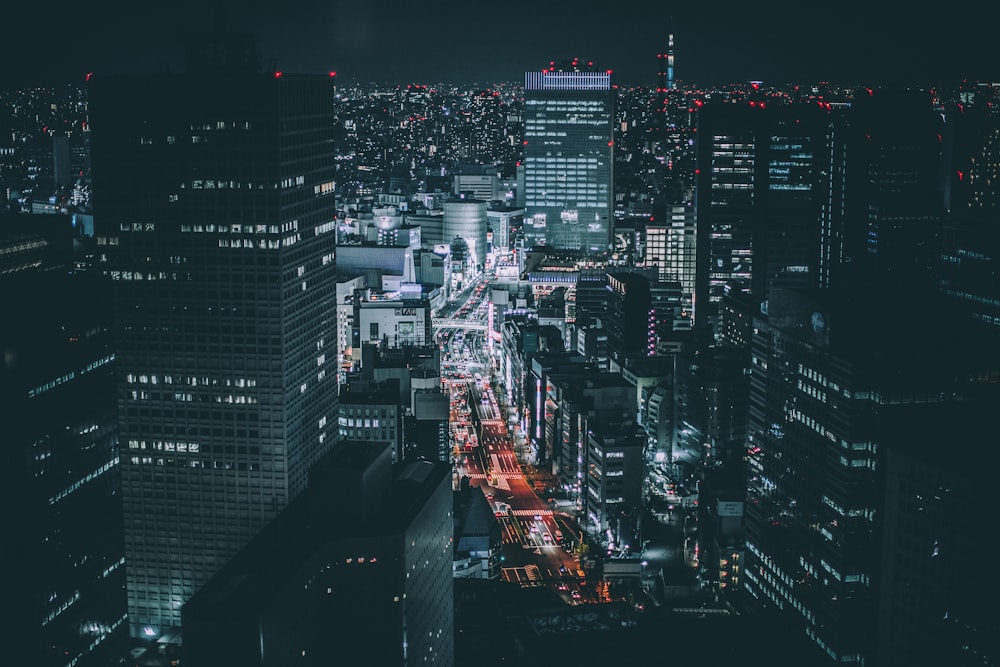
The toning bath, chemical or digital, is the final interpretive act. Cold and austere, like a winter landscape under selenium. Warm and intimate, like a portrait in sepia. Split between two temperatures, like memory itself. The tools have changed. The alchemy hasn't.